


A lash lift patch test is one of the most important safety steps in any lash treatment, yet it’s one of the most misunderstood by both clients and beginner technicians.
Skipping or rushing this step can lead to irritation, allergic reactions, and even long-term damage to your client’s skin or lashes. For professional lash artists, it’s not just about safety—it’s also about protecting your reputation and ensuring your treatments are carried out responsibly.
In this guide, we’ll cover everything you need to know, including:
- What a patch test actually is
- Why it’s essential
- How to perform one properly
- Legal and insurance considerations
- How it applies to lash lifts, extensions, and brow lamination
What Is a Lash Lift Patch Test?
A lash lift patch test is a quick pre-treatment check where a small amount of product is applied to the skin to test for sensitivity or allergic reaction.
This is typically done:
- On the inner elbow
- Behind the ear
- Or occasionally on the wrist
The purpose is simple: to ensure the client’s skin reacts safely before applying chemicals near the eye area.
Patch testing is considered a non-negotiable safety step in the beauty industry, helping identify sensitivities before a full treatment is carried out.
Why Patch Testing Is So Important for Lash Lifts
Lash lift systems contain active ingredients such as perming agents and oxidisers, which can trigger reactions in sensitive individuals.
Patch testing helps to:
- Prevent allergic reactions such as redness, swelling, or itching
- Protect client safety and comfort
- Reduce liability and insurance risks
- Ensure a professional standard of service
Reactions don’t always happen immediately—some sensitivities develop over time, especially in repeat clients.
This is why even experienced technicians continue to patch test regularly.
If you’re still building your confidence with treatment safety and consultation processes, structured learning through professional programmes like these online lash training courses can make a huge difference in understanding both technique and client care.
Lashes Patch Test: How to Perform It Correctly
A proper lashes patch test should always be done at least 24–48 hours before the treatment to allow time for delayed reactions to appear.
Step-by-step process:
-
Consultation first
Always check for allergies, sensitivities, or medical conditions. -
Prepare the skin
Clean the area thoroughly to ensure accurate results. -
Apply small amounts of each product
This includes: - Lifting lotion
- Setting lotion
- Tint (if included in treatment)
- Adhesives (if used)
-
Leave for around 10 minutes
Then remove gently. -
Monitor for 24–48 hours
Watch for: - Redness
- Itching
- Swelling
- Burning sensation
If any reaction occurs, the treatment should not go ahead.
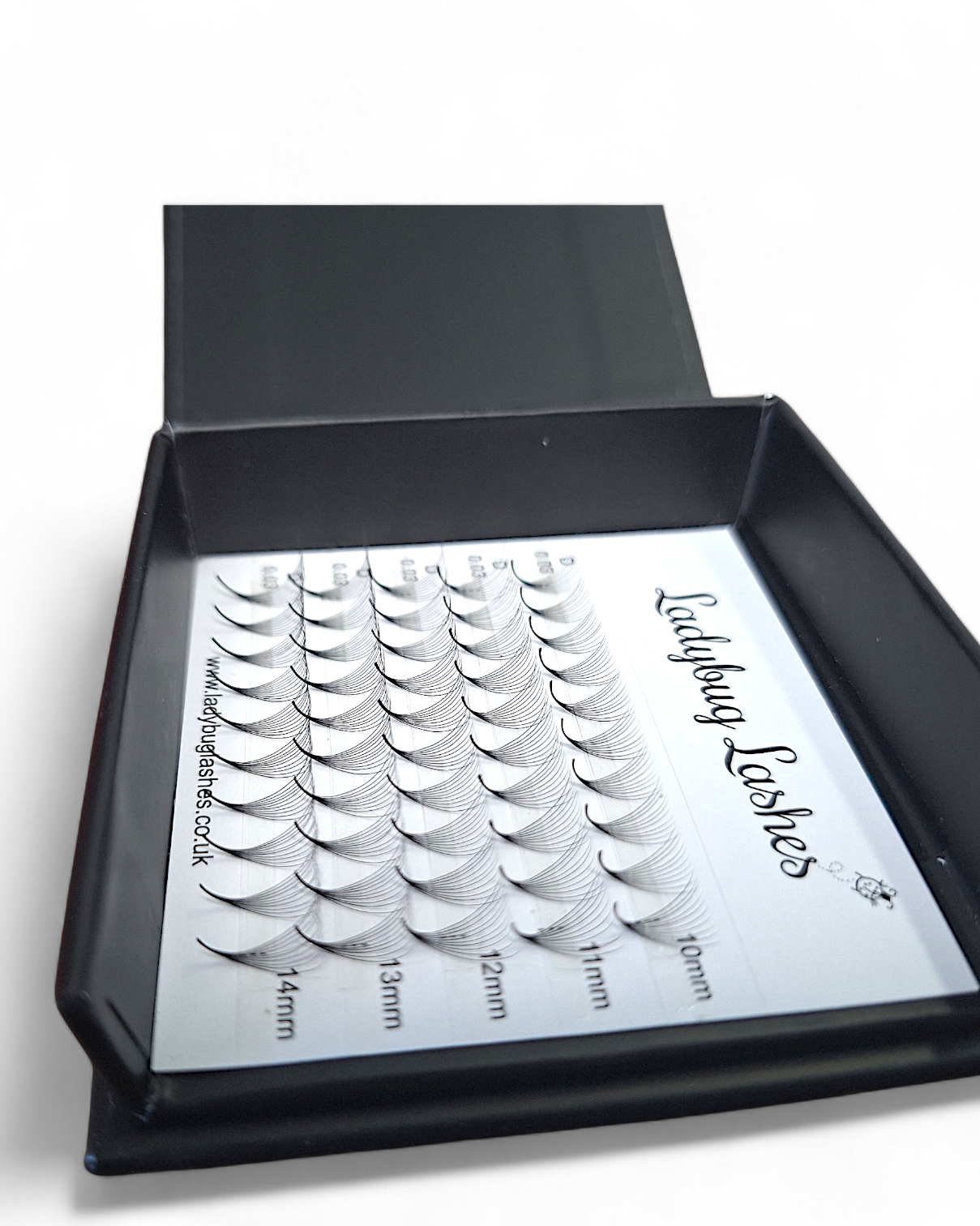
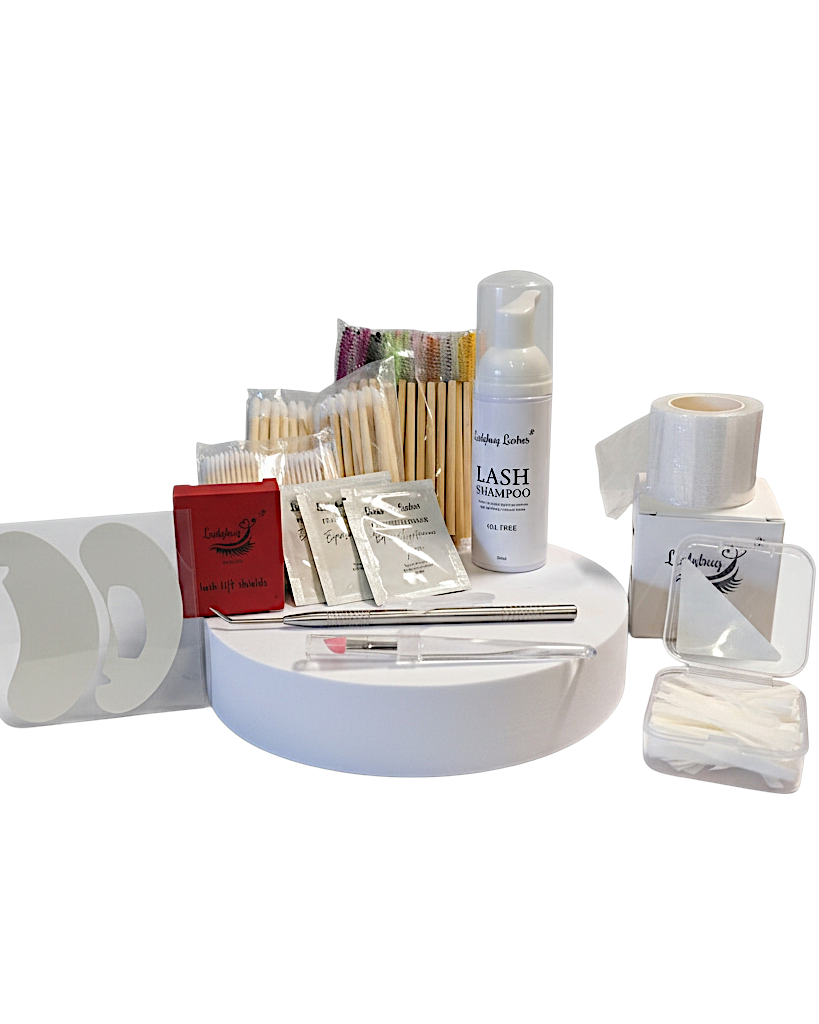
For beginners, having a complete kit makes it easier to practise safe application and testing procedures. Many technicians start with something like a beginner lash starter kit to ensure they have all necessary products for both treatments and patch testing.
Where Do They Do a Patch Test for Eyelash Extensions?
One of the most common client questions is: where do they do a patch test for eyelash extensions?
For lash extensions, the patch test process is slightly different compared to lash lifts.
Common methods include:
- Applying adhesive to the skin (behind ear or inner arm)
- Applying a small number of lash extensions to the outer corner of the eye
- Monitoring for any reaction over 24–48 hours
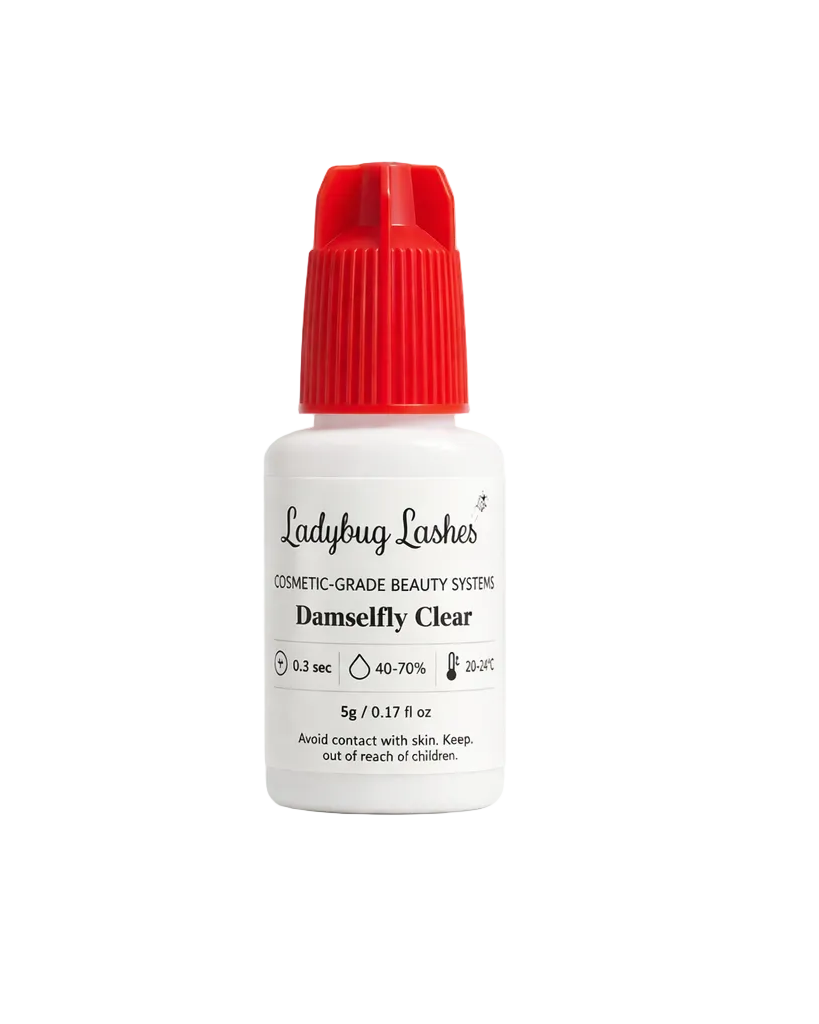
Unlike lash lifts, which test chemical solutions on the skin, extension patch tests focus heavily on adhesive sensitivity, as this is the most common cause of reactions.
Even though patch testing policies can vary between salons, offering it as standard practice ensures clients are informed and protected.
Do You Need a Patch Test for Brow Lamination?
Another common question is: do you need a patch test for brow lamination?
The answer is yes, absolutely.
Brow lamination uses similar chemical processes to lash lifts, meaning:
- The same risk of allergic reaction applies
- The same testing process should be followed
Patch testing should always be carried out:
- Before the first treatment
- If the client hasn’t had the treatment in 6+ months
- If there are changes in medication or skin condition
Using high-quality systems designed specifically for lamination can reduce risk, which is why many professionals choose dedicated options like these brow lamination kits that are formulated for consistent, safe results.
For those wanting to specialise further, training programmes such as the London Brow Company training courses go deeper into consultation, safety protocols, and advanced brow techniques.
Common Mistakes Lash Technicians Make with Patch Testing
Even experienced technicians sometimes get this wrong.
Avoid these mistakes:
- Skipping patch tests for returning clients
- Not testing all products used in the treatment
- Performing tests too close to appointment time
- Ignoring mild reactions
- Failing to document results
Remember: patch testing is not just about ticking a box, it’s about protecting your client and your business.
How Patch Testing Protects Your Business
Patch testing isn’t just about client safety, it also protects you legally.
It helps:
- Meet insurance requirements
- Reduce liability claims
- Demonstrate professionalism
- Build client trust
Many insurance providers require patch testing as standard practice before treatments involving chemicals near the eyes.
Final Thoughts
A lash lift patch test is one of the simplest steps in your treatment process—but it’s also one of the most important.
It ensures:
- Safe treatments
- Happy clients
- Professional credibility
The best lash technicians don’t skip steps—they master them.
And when you combine strong technique, proper training, and high-quality products, patch testing becomes a seamless part of delivering consistently excellent results.