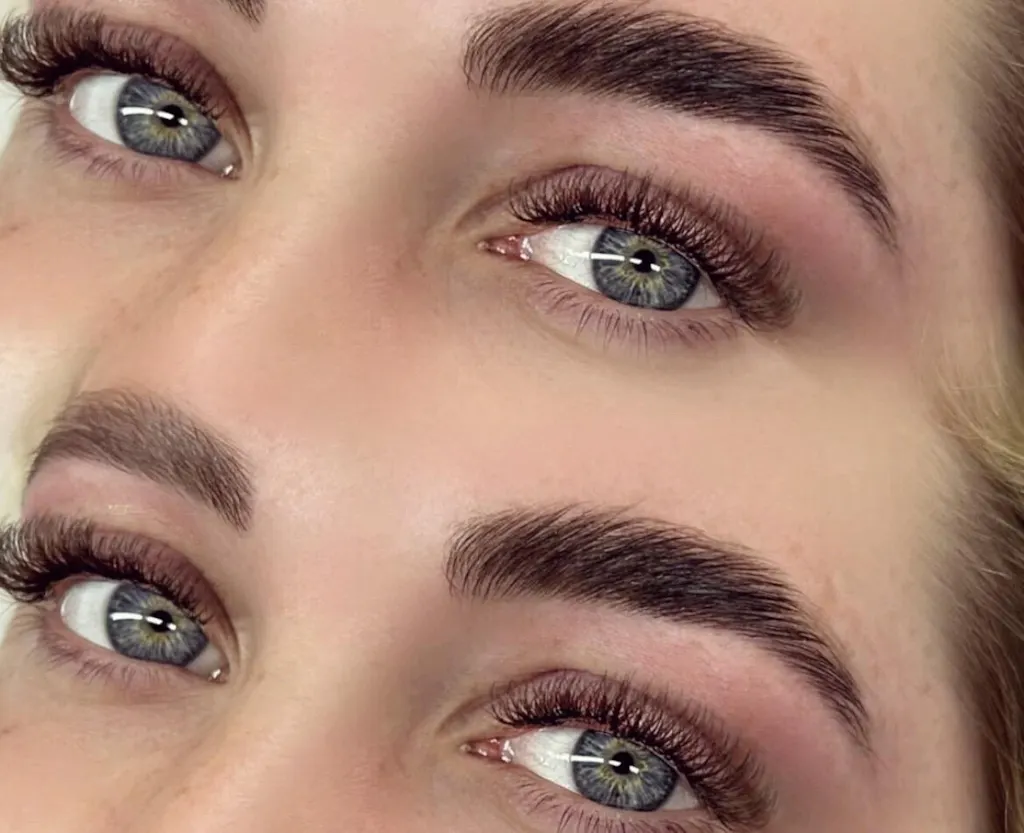

A lash lift is designed to enhance the natural lashes by creating a lifted, curled effect that lasts for weeks. When done correctly, it’s one of the most reliable and low-maintenance treatments in the beauty industry. However, when things go wrong, the results can be dramatic, over-curled lashes, uneven lifts, or even damage to the natural lash.
That’s why understanding how to undo a lash lift safely is not just a “nice-to-have” skill, it’s essential for any professional lash technician who wants to deliver consistent, high-quality results.
In this guide, we’ll go far beyond the basics. You’ll learn:
- Why lash lifts fail
- When a reversal is safe (and when it isn’t)
- A detailed, professional correction method
- How to prevent issues in the first place
- Aftercare strategies to restore lash health
Why Lash Lifts Go Wrong in the First Place
Most lash lift issues are preventable. In fact, the majority of problems come down to technique, timing, and product control rather than the treatment itself.
The most common causes include:
1. Over-Processing
Leaving the lifting lotion on for too long breaks down the hair structure too much, causing lashes to over-curl, kink, or become frizzy.
2. Incorrect Shield Selection
Using a shield that is too small creates an overly tight curl, often leading to lashes folding back on themselves.
3. Poor Product Placement
Applying solution too close to the tips of the lashes can cause over-processing at the ends, which are already the most fragile part of the hair.
4. Not Adjusting for Lash Type
Fine lashes process much faster than thick lashes. Using “standard timings” across all clients is one of the biggest mistakes beginners make.
5. Low-Quality or Inconsistent Products
Unreliable formulations can lead to unpredictable results, even when technique is correct.
This is why ongoing education is so important. Many technicians improve dramatically after refining their technique through more structured learning, such as the detailed modules included in these online lash training courses, where lash assessment and timing adjustments are covered in depth.
For those aiming to reach a higher level of precision, more advanced programmes like the Eyelash Excellence training courses focus heavily on consistency, troubleshooting, and achieving flawless results across all lash types.
Lash Lift Reversal: When You Should (and Shouldn’t) Do It
A lash lift reversal is not always the correct solution, and knowing when not to perform one is just as important as knowing how.
When a reversal is appropriate
You can safely correct a lash lift if:
- The lashes are over-curled but still soft and flexible
- The treatment was performed within the last 24–48 hours
- There are no signs of breakage or severe dryness
When to avoid reversal
Do not attempt a reversal if:
- Lashes feel brittle or straw-like
- There is visible snapping or fraying
- The client experiences irritation or sensitivity
In these cases, applying more chemical solution will only worsen the damage. Instead, your focus should shift to recovery and strengthening.
Advanced corrective approaches—such as soft relax techniques and controlled re-lifting—are often taught in specialist education like this Korean-inspired lash lift masterclass, where lash health is prioritised alongside aesthetic results.
How to Undo a Lash Lift Safely (Step-by-Step Guide)
If the lashes are in suitable condition, follow this professional correction process.
Step 1: Carry Out a Full Lash Assessment
This step is non-negotiable.
Check:
- Elasticity (do lashes bend or snap?)
- Moisture levels
- Degree of over-curl
- Overall lash health
If lashes feel compromised, do not proceed with reversal.
Step 2: Cleanse the Lashes Properly
Use a gentle cleanser to remove:
- Oils
- Makeup residue
- Any leftover product
This ensures even penetration of the corrective solution.
Step 3: Controlled Reapplication of Lifting Lotion
This is where precision matters most.
- Apply a very small amount of lifting lotion
- Focus only on the mid-lengths of the lash
- Avoid both the root and the tips
The goal is not to “redo” the lift, but to gently relax the over-processed curl.
Using high-quality, predictable systems is critical during this stage. Many professionals rely on trusted formulations like those found in these lash lift and brow lamination systems, which allow for more controlled results.
Step 4: Significantly Reduce Processing Time
Unlike a standard lash lift, processing time here is extremely short.
Typically:
- 1–3 minutes is enough
- Check every 30–60 seconds
- Never leave unattended
Over-processing again at this stage can cause irreversible damage.
Step 5: Neutralise Immediately
Apply the setting lotion to stop the chemical reaction and lock the lashes into a more natural position.
This step stabilises the hair structure and prevents further movement.
Step 6: Deep Conditioning & Hydration
Finish with a nourishing treatment to restore the lashes.
Focus on:
- Hydration
- Flexibility
- Strength
This step is crucial for maintaining lash integrity after correction.
Eyelashes Lamination: How to Prevent Needing a Reversal
The reality is that most corrections can be avoided entirely with proper eyelashes lamination technique.
Best practices for prevention:
- Always customise timings for each client
- Choose shield sizes carefully
- Avoid overloading lashes with product
- Work with precision and control
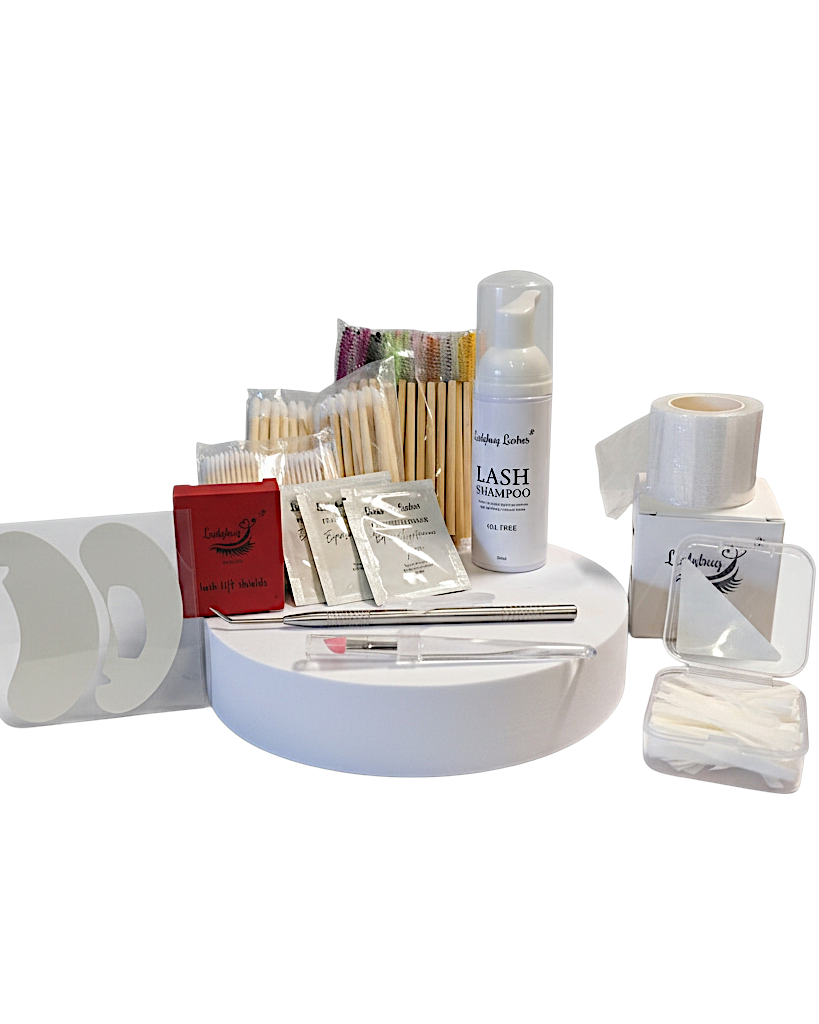
Tools play a big role in achieving this level of accuracy. Many technicians find that upgrading to professional tools from a dedicated lash lift accessories collection improves both speed and consistency.
For example, using tools like bamboo applicator wands allows for more controlled product placement, reducing the risk of overlap and uneven saturation.
Additionally, newer techniques—such as those used in the Korean-inspired lash lift range—focus on softer, more natural results, which significantly lowers the risk of over-curling.
Eyebrow Oil After Lamination: Repair & Long-Term Lash Health
After any corrective work, aftercare becomes just as important as the treatment itself.
Using nourishing products like eyebrow oil after lamination (and lash conditioning oils) can dramatically improve recovery.
Key benefits:
- Restores moisture to dry lashes
- Improves elasticity
- Reduces breakage
- Supports healthy regrowth
Clients should be advised to:
- Apply oil daily
- Avoid waterproof mascara
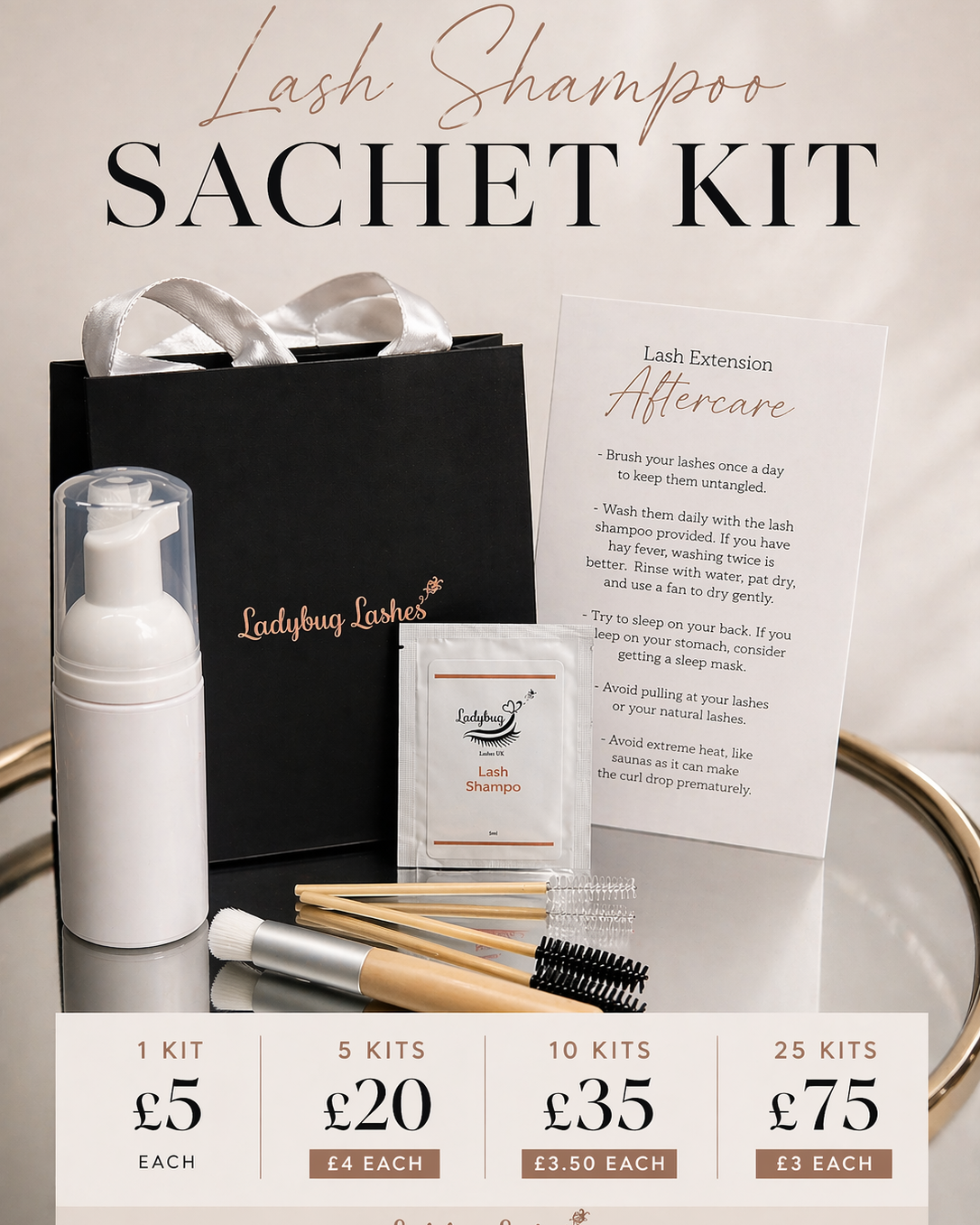
- Keep lashes clean and hydrated
Strong aftercare guidance not only protects the lashes but also builds trust and positions you as a knowledgeable professional.
Common Mistakes to Avoid During Lash Lift Correction
Even experienced technicians can make mistakes when correcting a lash lift.
Avoid:
- Reprocessing the entire lash (only target mid-lengths)
- Using full treatment timings
- Skipping the consultation step
- Ignoring signs of damage
- Using low-quality or unpredictable products
Precision, patience, and product control are everything.
Final Thoughts
Mastering how to undo a lash lift safely is a key part of becoming a confident, skilled lash technician.
While mistakes can happen, your ability to assess, correct, and protect the natural lash is what defines your professionalism.
The real takeaway is simple:
- Prevention is better than correction
- Education improves consistency
- Quality products deliver safer results
When you combine all three, you dramatically reduce the chances of ever needing to perform a reversal in the first place.