What Causes Lash Glue Allergies?
Lash glue allergies can be confusing, particularly when a client has worn lash extensions for months or even years without experiencing a problem and then suddenly develops a reaction.
So, what causes a lash glue allergy, and can you suddenly become allergic after previously being completely fine?
Professional lash extension adhesives are typically based on cyanoacrylate, the ingredient responsible for creating the bond between the extension and the natural lash. Cyanoacrylates are recognised sensitisers, which means an allergy can develop following repeated exposure.
However, not every reaction following a lash treatment is necessarily an allergy to the adhesive, and there can be more to consider than the glue alone.
Can You Suddenly Become Allergic to Lash Glue?
Yes.
Someone can develop an allergy to lash adhesive even if they have previously worn lash extensions without experiencing any problems.
This is because allergic sensitisation can develop over time. A client may have numerous treatments without symptoms before their immune system becomes sensitised and begins reacting to subsequent exposure.
Previous trouble-free appointments therefore do not guarantee that someone will never develop an allergy.
Once a genuine allergy to cyanoacrylate has developed, simply changing to another conventional cyanoacrylate-based lash adhesive should not be expected to solve the problem.
What Usually Causes a Lash Glue Allergy?
Cyanoacrylate is the main bonding ingredient in professional lash extension adhesives and is an important potential allergen.
Exposure can occur during the application and curing process, which is why correct application, appropriate ventilation and preventing adhesive from touching the skin are important professional practices.
However, lash adhesive is a formulation, not simply one ingredient.
The grade and purity of the cyanoacrylate, stabilising system, pigments and other components can differ between products.
This is one reason it is important to understand what you are working with rather than choosing an adhesive based solely on drying speed, retention or marketing claims.
Does the Quality of Cyanoacrylate Matter?
Not all cyanoacrylate raw materials or lash adhesive formulations are the same.
Different grades and purities can be used, alongside different filtration, manufacturing and stabilising systems.
Choosing a highly purified and filtered cyanoacrylate that has been specifically formulated for cosmetic use can help minimise unnecessary exposure to impurities and other substances that may be present in lower-grade formulations.
However, cosmetic-grade does not mean allergy-proof.
Cyanoacrylate itself remains a potential sensitiser regardless of its quality.
The reason for considering adhesive quality is therefore not to claim that a better-quality adhesive can guarantee an allergy will never develop. It is about making informed choices about repeated exposure from the outset.
Once someone has developed a genuine cyanoacrylate allergy, moving to another cyanoacrylate adhesive — including a cosmetic-grade formulation — should not be considered a solution.
What About Stabilisers and Other Ingredients?
Cyanoacrylate adhesives require stabilisation to help prevent the adhesive from curing prematurely inside the bottle.
Different formulations can use different stabilising systems and additional ingredients.
This means it is important to consider the overall formulation, not simply whether an adhesive contains cyanoacrylate.
A reputable supplier should be transparent about its products and be able to provide appropriate ingredient and safety information.
Is Every Reaction an Allergy?
No.
Red, watery or uncomfortable eyes following a lash appointment do not automatically mean someone has developed an allergy.
Irritation and allergy are different.
Irritation may occur following exposure to adhesive vapours or other products used during the treatment and can be influenced by factors such as exposure levels and whether the client's eyes remained completely closed.
An allergic reaction involves an immune response and commonly causes symptoms such as itching, redness and swelling around the eyelids. Symptoms may develop hours after the appointment rather than immediately.
Conditions such as blepharitis can also produce similar symptoms.
Lash artists should therefore never attempt to diagnose the cause of a client's symptoms.
Don't Automatically Blame the Lash Glue
When a client experiences redness, itching, swelling or irritation following a lash treatment, the adhesive is often the first product to be blamed.
While lash adhesive can cause irritation or allergic sensitisation, it is important to consider everything used during the treatment.
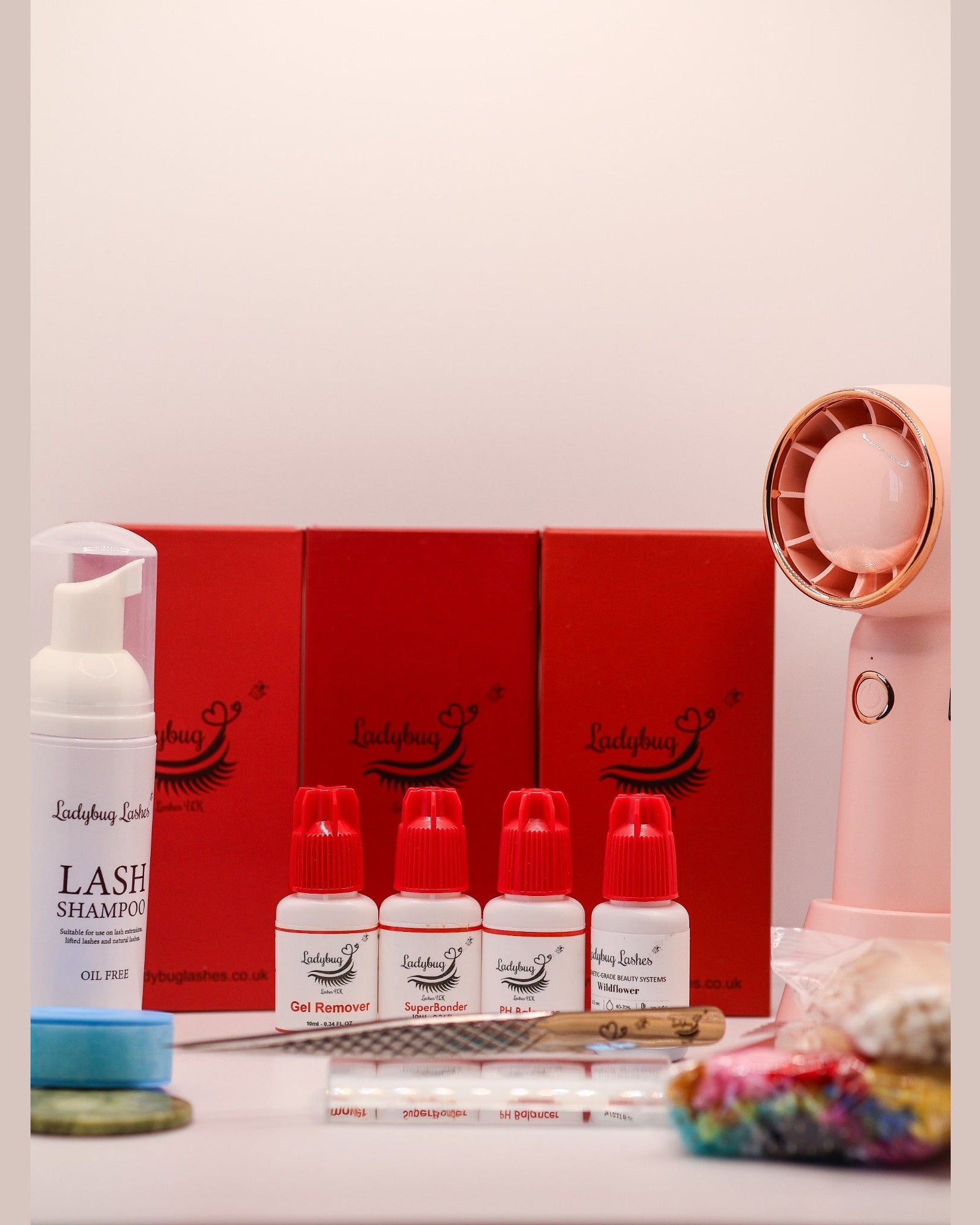
This may include:
-
Lash shampoo or cleanser
-
Primer or preparation products
-
Lash adhesive
-
Retention boosters
-
Super bonder
-
Under-eye pads and tape
-
Removers
Some of these products may contain additional potential irritants or allergens, including acrylate-related ingredients.
If a client suddenly begins experiencing problems, consider whether anything within the treatment system has recently changed, rather than automatically assuming the adhesive is responsible.
Keeping accurate treatment records, including the products used, can also help identify changes if a problem occurs.
This doesn't mean a lash artist should attempt to identify or diagnose the ingredient responsible. It simply means considering the whole treatment system rather than focusing on one product alone.
Does Changing Lash Glue Solve an Allergy?
Not necessarily.
If someone has become sensitised to cyanoacrylate, switching brands or moving to another conventional cyanoacrylate-based adhesive may still result in a reaction.
Terms such as “sensitive” and “hypoallergenic” should also not be interpreted as meaning that an adhesive cannot cause an allergic reaction.
There is no conventional cyanoacrylate lash adhesive that can guarantee an allergy will not occur.
If a client has experienced a suspected allergic reaction, their health should take priority over repeatedly experimenting with different adhesives.
What Does a Lash Glue Allergy Look Like?
Symptoms associated with an allergic reaction may include:
-
Swollen or puffy eyelids
-
Redness around the eyes
-
Itching
-
Irritated skin around the lash line
Symptoms can develop several hours after the treatment rather than immediately during application.
However, these symptoms can have other causes.
Lash artists should not diagnose allergies or medical conditions. Clients experiencing significant, persistent or worsening symptoms should seek appropriate medical advice.
Can Patch Testing Guarantee a Client Won't React?
No.
A patch test may form part of a salon's consultation and risk-management procedure, but passing a patch test cannot guarantee that a client will not react during or after a full treatment.
The exposure during a patch test is different from the exposure during a complete lash-extension treatment. A client who has previously passed a patch test can also become sensitised at a later date.
A negative patch test should therefore never be presented as a guarantee that an allergic reaction cannot occur.
Can Lash Glue Allergies Be Prevented?
There is no way to guarantee that someone will never develop an allergy to cyanoacrylate.
However, lash professionals can take sensible steps to minimise unnecessary exposure and make informed choices about the products they use.
These include:
-
Choosing professionally formulated products from reputable suppliers
-
Considering the quality and purity of the cyanoacrylate and the overall formulation
-
Choosing products specifically formulated for cosmetic use
-
Using products with appropriate ingredient and safety documentation
-
Considering every product used throughout the treatment, not just the adhesive
-
Maintaining appropriate ventilation
-
Preventing adhesive from touching the client's skin
-
Carrying out thorough consultations
-
Following appropriate patch-testing procedures while explaining their limitations
-
Keeping accurate treatment records
-
Taking previous reactions seriously
The aim is not to suggest that better-quality products eliminate allergy risk. It is about minimising unnecessary exposure wherever reasonably possible and knowing what you are working with.
Why Ingredient and Manufacturing Transparency Matter
Lash artists may work with these products repeatedly throughout their working day, while clients can be exposed regularly over months or years.
Knowing what you are using matters.
A reputable supplier should provide appropriate ingredient and safety information so professionals can make informed decisions about the products they use on themselves and their clients.
Marketing terms such as “sensitive”, “hypoallergenic”, “low fumes” or “gentle” should never replace proper product information.
The Bottom Line
Yes, someone can suddenly develop a lash glue allergy even after months or years of having lash extensions without a problem.
Cyanoacrylate is a recognised sensitiser, and sensitisation can develop following repeated exposure.
The quality, purity and overall formulation of an adhesive are still important considerations when choosing products from the outset, but even a highly purified cosmetic-grade cyanoacrylate adhesive cannot guarantee that an allergy will never occur.
It is also important not to automatically blame the adhesive whenever a reaction occurs. Consider the whole treatment system, including shampoos, primers, bonders and other products used around the eye.
For lash professionals, the focus should be on quality, transparency, minimising unnecessary exposure and understanding the products you are working with.