

Blepharitis is a common eyelid condition that lash artists may come across during consultations or appointments.
It can cause redness, itching, flakes, crusting and irritation around the lash line, which means it can sometimes be mistaken for an allergic or irritant reaction following a lash treatment.
But blepharitis, allergy and irritation are not the same thing.
And importantly, if a client experiences a reaction after a lash treatment, the adhesive should not automatically be assumed to be the cause.
A lash treatment involves several products and materials, and the client may also have an unrelated eye or eyelid condition.
Understanding these differences can help lash artists recognise when something doesn't look right, pause treatment where appropriate and refer the client for suitable professional advice rather than attempting to diagnose the problem themselves.
What Is Blepharitis?
Blepharitis is inflammation of the eyelid margins - the area around the base of the eyelashes.
It is usually a long-term condition that can flare up repeatedly, rather than something permanently cured with one treatment.
Symptoms can often be managed with appropriate eyelid hygiene and, where necessary, professional treatment.
What Are the Two Main Types of Blepharitis?
Blepharitis is commonly described as anterior or posterior.
Anterior Blepharitis
Anterior blepharitis mainly affects the front edge of the eyelid around the lashes.
Possible signs can include:
- Flaking around the lash line
- Crusting or debris
- Redness
- Itching
- Irritated eyelid margins
It can be associated with factors including bacteria and certain skin conditions.
Posterior Blepharitis
Posterior blepharitis affects the inner eyelid and is commonly associated with the meibomian glands, which produce the oily component of the tear film.
Symptoms may include:
- Dry or gritty-feeling eyes
- Burning or irritation
- Watery eyes
- Inflamed eyelid margins
Both forms can produce symptoms a lash artist may notice during consultation or treatment.
What Does Blepharitis Look Like?
Possible signs include:
- Red or inflamed eyelid margins
- Flakes or crusting around the lashes
- Itching
- Burning or gritty sensations
- Watery or dry-feeling eyes
- Sticky or clumped lashes
- Recurring irritation around the lash line
However, these symptoms can overlap with other eye and skin conditions.
Lash artists should never diagnose blepharitis themselves.
Your role is to recognise that something appears abnormal and make an appropriate professional decision about whether the treatment should proceed.
Blepharitis vs Allergy vs Irritation
These three things are different, although some of their symptoms can look similar.
Blepharitis
Blepharitis is an inflammatory eyelid condition that commonly follows an ongoing or recurrent pattern.
Flakes, crusting and inflammation around the eyelid margins can be particularly noticeable.
Allergy
An allergy involves the immune system reacting to a substance.
Possible symptoms following exposure can include:
- Itching
- Swelling
- Redness
- Inflamed eyelids
Allergic reactions can sometimes develop after previous problem-free exposure, so the fact that a client has used a product before does not automatically rule out an allergy.
Irritation
Irritation is not the same as an allergy.
It can occur when the eye or surrounding skin is exposed to something irritating.
For example, irritation during a lash extension treatment may be associated with factors such as fumes reaching the eye if the eyelids are not fully closed.
The important thing is that appearance alone may not tell you exactly what caused the symptoms.
Is Every Reaction Caused by Lash Adhesive?
No.
Adhesive is often the first product blamed when a client experiences symptoms after lash extensions, but it is only one part of the treatment.
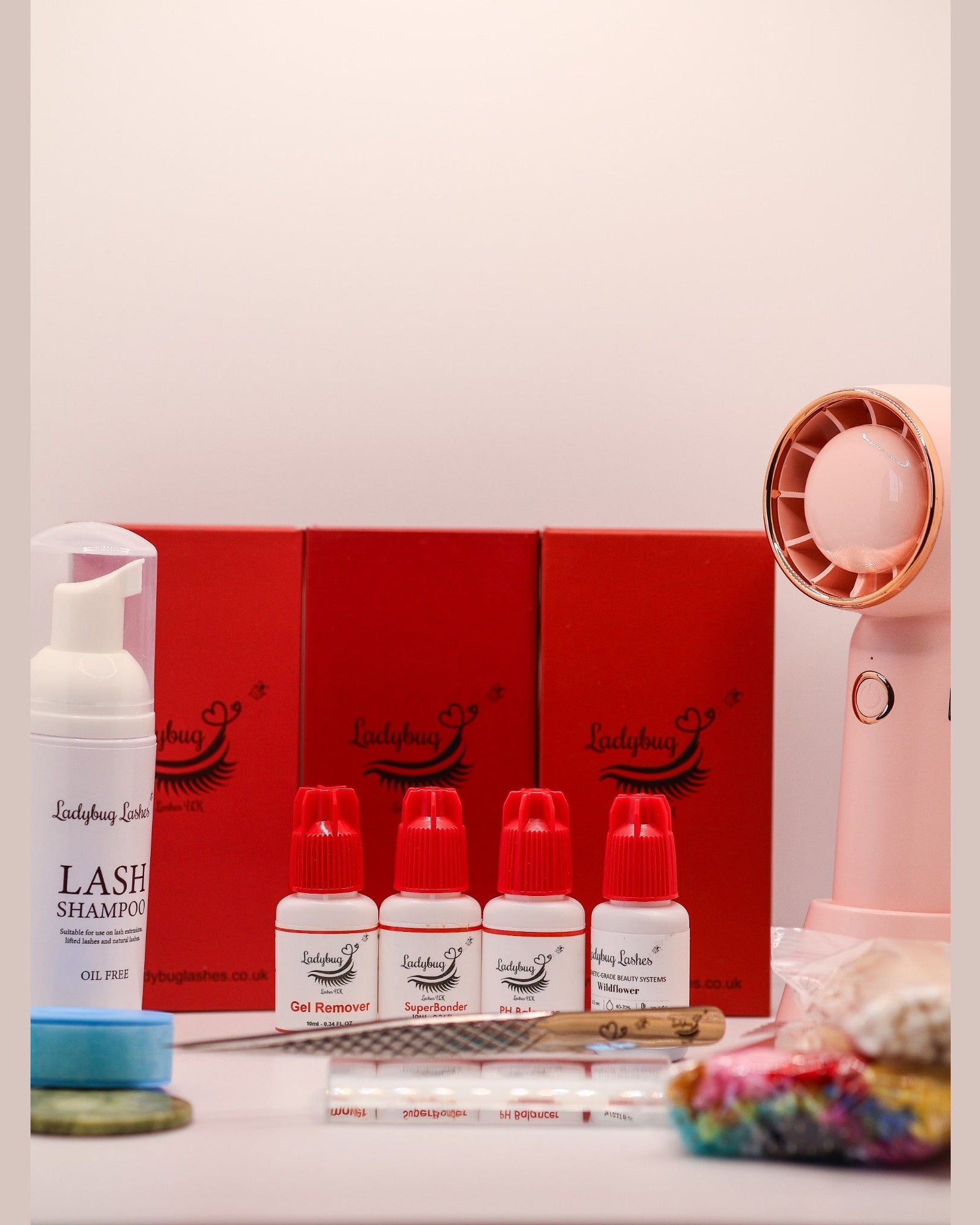
Depending on the service, products and materials used around the eye area may include:
- Lash shampoo
- Cleansing products
- Primer or preparation products
- Lash adhesive
- Tape
- Under-eye pads
- Bonder
- Remover
- Tint
- Lash lift products
- Lash lift adhesive or balm
- Other skincare or cosmetics already used by the client
Any relevant product or exposure should be considered when investigating what happened.
And sometimes the symptoms may have nothing to do with the lash products at all.
The client may have an underlying or unrelated condition such as blepharitis.
This is why we encourage lash artists to look at the whole treatment, rather than immediately deciding:
“It must be the glue.”
Can Timing Help Identify What Happened?
Timing can provide useful information, but it should not be used by a lash artist to diagnose the cause.
Consider:
- Did symptoms begin during the appointment?
- Immediately afterwards?
- Several hours later?
- The following day?
- Were symptoms already present before treatment?
- Has the client experienced similar symptoms without lash treatments?
- Is the problem recurring?
This information can be recorded on the client's treatment notes and may be useful if they seek professional medical advice.
But don't use timing alone to tell a client definitively that they have an allergy, irritation or blepharitis.
Should You Lash a Client With Active Blepharitis?
If a client has active, unexplained inflammation, significant redness, crusting, discharge, irritation or other concerning symptoms around the eye area, an elective lash or brow treatment should not simply go ahead as normal.
Pause the treatment.
Explain what you have observed without attempting to diagnose it and advise the client to seek appropriate professional advice.
Proceeding over an already inflamed or compromised eye area may cause further irritation and makes it much harder to determine what is happening.
What Should You Say to the Client?
Avoid saying:
“You have blepharitis.”
Or:
“You're allergic to lash glue.”
Unless a qualified healthcare professional has diagnosed the condition, you don't know that.
Instead, you could explain:
“I've noticed some redness, irritation and flaking around your lash line today. I don't think it would be appropriate to carry out the treatment while the area is like this, so I'd recommend having it assessed before we proceed.”
That keeps you within your professional role.
You're identifying what you can see, rather than diagnosing why it is happening.
Can Lash Extensions Cause Blepharitis?
It would be too simplistic to say that lash extensions directly cause blepharitis.
Blepharitis can be associated with several factors, including bacteria, skin conditions and meibomian gland dysfunction.
However, good eyelid hygiene remains important for lash extension clients.
Allowing makeup, oils, dead skin and other debris to build up around the lash line is not good lash aftercare.
This is one reason we strongly encourage clients to clean their lash extensions regularly.
Can Someone With a History of Blepharitis Have Lash Extensions?
A history of blepharitis does not automatically tell a lash artist whether a future treatment is suitable.
What matters is the client's current condition, your treatment contraindications, product instructions, professional guidance and insurer requirements.
If the client has active symptoms, do not simply cover them with extensions.
If there is uncertainty about whether treatment is appropriate, ask the client to seek suitable professional advice before proceeding.
Why Daily Lash Cleansing Matters
Regular eyelid hygiene is commonly recommended as part of managing blepharitis.
For lash-extension clients, this reinforces something we talk about constantly:
Lash extensions need to be cleaned.
Clients should not be frightened of washing their lashes because they think water will destroy their retention.
Appropriate daily cleansing helps remove:
- Makeup
- Natural oils
- Dead skin
- Environmental debris
- Buildup around the lash line
Good lash hygiene is part of professional aftercare.
What If Symptoms Develop After a Lash Appointment?
Take the client's concerns seriously, but don't immediately diagnose the cause.
Ask useful questions about:
- When the symptoms started
- What symptoms they are experiencing
- Whether one or both eyes are affected
- Whether they have experienced this previously
- Which products were used during the appointment
- Whether they have used any new skincare, makeup or other products
- Whether symptoms are improving or worsening
Keep an accurate record of the products and batch numbers used where appropriate.
If symptoms are significant, persistent, worsening or otherwise concerning, advise the client to seek appropriate medical advice.
Don't Automatically Blame One Product
This is probably the most important message in this article.
A client develops red eyelids after a lash treatment.
That does not automatically mean:
lash glue allergy.
It also doesn't automatically mean:
blepharitis.
It could involve allergy, irritation, an underlying eyelid condition, another product used during the treatment or something entirely unrelated.
Lash artists aren't there to make a medical diagnosis.
Our responsibility is to recognise, record, respond appropriately and refer when necessary.
The Bottom Line
Blepharitis, product allergy and irritation can sometimes produce similar-looking symptoms around the eye area, but they are different problems.
Blepharitis is generally an ongoing or recurrent inflammatory eyelid condition.
An allergy involves an immune response to a substance.
Irritation is a non-allergic response to an irritating exposure.
And a reaction following a lash treatment does not automatically mean the adhesive caused it.
Consider the whole treatment:
Adhesive. Prep. Cleanser. Bonder. Tape. Pads. Remover. Lift products. Client products. Existing eye conditions.
Then stay within your professional scope.
Recognise what you can see.
Don't diagnose what you can't.
Pause treatment when appropriate.
Refer for professional advice when necessary.
That protects your client and protects you as a professional.