

A lash lift hasn't turned out as expected. Maybe the result is too soft, one eye has lifted better than the other, or the lashes look much curlier than intended.
The temptation can be to reach for Step 1 again.
But before correcting or repeating a lash lift, the most important question is:
What condition are the natural lashes actually in?
An underprocessed lash, an over-curled lash and an overprocessed lash are not the same thing, and they should not automatically be treated in the same way.
Is My Lash Lift Underprocessed?
If the lashes are still healthy but the finished lift is weaker than expected, the treatment may have been underprocessed or another part of the treatment may have affected the result.
The lashes may remain relatively straight, lift unevenly, lose the intended shape quickly or simply look healthy but not lifted enough.
There are lots of reasons this can happen, including product placement, saturation, processing, temperature, shield choice and technique.
We cover those causes in more detail in our Lash Lift Troubleshooting: Why Your Lash Lift Results May Be Underwhelming guide.
The important point here is that a weak result does not automatically mean the lashes are damaged.
What Does an Overprocessed Lash Lift Look Like?
Overprocessing is different.
Instead of simply having the wrong shape, the natural lash itself may look or feel compromised.
Signs can include lashes that appear dry, brittle, frizzy, wiry, kinked or unusually distorted.
They may also be difficult to brush into position or feel noticeably rougher than healthy lashes.
If the hair appears compromised, applying more chemical product in an attempt to fix the shape can cause further stress.
Does Over-Curled Mean Overprocessed?
No.
This is one of the most important distinctions to make.
A lash can be over-curled without being overprocessed.
The curl may simply be too strong because of shield choice, lash placement or solution placement.
If the natural lashes still look healthy, smooth and flexible, that is very different from lashes that are brittle, frizzy or visibly compromised.
We have a separate guide on how to reverse an over-curled lash lift safely, because correcting the shape and treating damaged hair are not the same thing.
Can You Re-Lift an Underprocessed Lash Lift?
Sometimes.
If the original lift is genuinely underprocessed and the natural lashes remain in good condition, a correction may be possible.
But this should never become: "It didn't lift enough, so I'll just process it again."
Before repeating the treatment, consider the condition of the natural lashes, how much processing they have already received, why the original treatment failed, which system was used, the manufacturer's correction guidance and whether another chemical service is actually necessary.
If you don't understand what caused the original problem, repeating the same treatment can simply repeat the same mistake.
It is also worth revisiting Lash Lift Processing Times: How to Know When Lashes Are Ready before deciding whether more processing is appropriate.
Does the Lash Lift System Matter?
Yes.
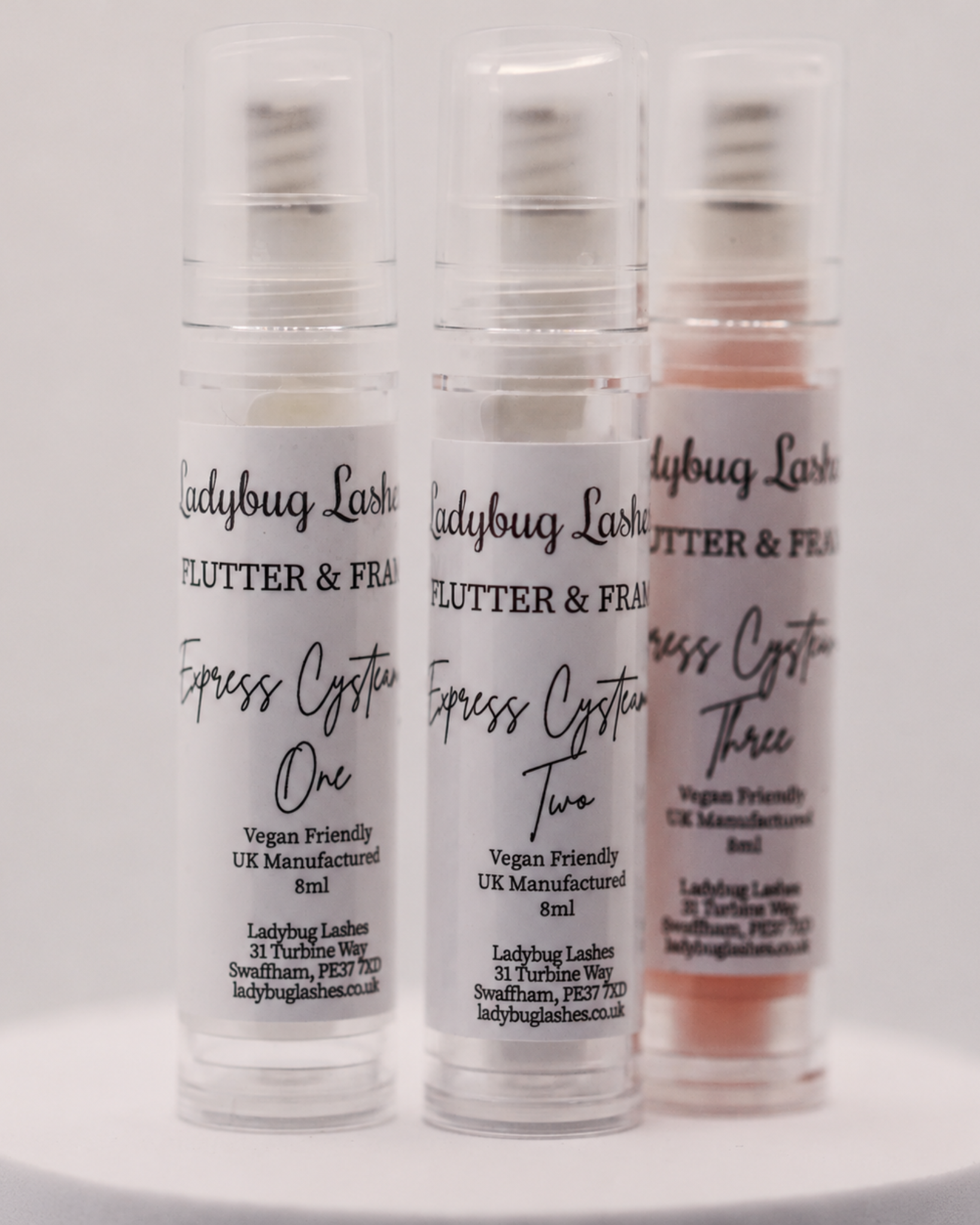
TGA-based and cysteamine-based systems do not necessarily use the same placement, processing or correction methods.
Before attempting any correction, make sure you know what chemistry was originally used and follow the instructions for that specific system.
Our guide to TGA vs cysteamine lash lift systems explains why the two should not simply be treated as interchangeable.
If you’re comparing professional systems, you can also browse our Lash Lift & Brow Lamination Systems.
How Soon Can You Redo a Lash Lift?
There isn't one date on the calendar that suddenly makes every lash safe to process again.
You will often see general treatment intervals such as six to eight weeks, but natural lash condition still needs to be assessed.
A healthy lash that received insufficient processing is not the same as a brittle lash that has already been overprocessed.
This is why the answer to "How soon can I redo it?" should not be based on time alone.
Follow the instructions and correction guidance for the system you are using, assess the natural lashes properly and, if the hair appears compromised, wait rather than adding further chemical processing.
Sometimes waiting for healthy new growth is the correct professional decision.
Can You Redo a Brow Lamination Early?
The same principle applies to brow lamination.
Don't reprocess brow hairs simply because the previous result wasn't perfect or because a certain number of weeks has passed.
If the brows are healthy and the original treatment was insufficient, the situation may be very different from brows that are dry, wiry, frizzy, curled or fragile.
When the hair is compromised, more processing can make the problem worse.
Can Step 3 Repair Overprocessed Lashes?
No.
Step 3 is an important conditioning stage and can help support the condition, softness and manageability of lashes and brows following chemical processing.
But it cannot reverse structural damage that has already occurred.
We explain this in more detail in Why Is Step 3 Important After a Lash Lift or Brow Lamination?.
The same applies to conditioning serums and oils. They can support the hair while it grows out, but they should not be used as justification for repeatedly processing compromised lashes.
When Should You Leave the Lashes Alone?
If the lashes are showing obvious signs of damage, fragility or significant overprocessing, sometimes the safest correction is no correction at all.
Condition them, allow the natural lash cycle to continue and reassess once healthier growth is present.
Our Lash Lift & Brow Lamination Aftercare guide covers how to care for the hair after treatment.
A perfect-looking lift is never more important than preserving the client's natural lashes.
The Bottom Line
If a lash lift hasn't gone to plan, don't automatically repeat it.
First establish whether you are dealing with an underprocessed lift, an over-curled lift or genuinely overprocessed lashes.
An underprocessed result may sometimes be suitable for correction.
An over-curled result does not automatically mean the hair is damaged.
Overprocessed lashes should not simply be exposed to more chemical processing in an attempt to improve the appearance.
And when deciding when to redo a lash lift or brow lamination, the condition of the natural hair matters just as much as the number of weeks that have passed.
'%3e%3cg id='Final-Copy-2_2_' transform='translate(1275.000000, 200.000000)'%3e%3cpath class='st0' d='M7.4,12.8h6.8l3.1-11.6H7.4C4.2,1.2,1.6,3.8,1.6,7S4.2,12.8,7.4,12.8z'/%3e%3c/g%3e%3c/g%3e%3c/g%3e%3cg id='final---dec.11-2020'%3e%3cg id='_x30_208-our-toggle' transform='translate(-1275.000000, -200.000000)'%3e%3cg id='Final-Copy-2' transform='translate(1275.000000, 200.000000)'%3e%3cpath class='st1' d='M22.6,0H7.4c-3.9,0-7,3.1-7,7s3.1,7,7,7h15.2c3.9,0,7-3.1,7-7S26.4,0,22.6,0z M1.6,7c0-3.2,2.6-5.8,5.8-5.8 h9.9l-3.1,11.6H7.4C4.2,12.8,1.6,10.2,1.6,7z'/%3e%3cpath id='x' class='st2' d='M24.6,4c0.2,0.2,0.2,0.6,0,0.8l0,0L22.5,7l2.2,2.2c0.2,0.2,0.2,0.6,0,0.8c-0.2,0.2-0.6,0.2-0.8,0 l0,0l-2.2-2.2L19.5,10c-0.2,0.2-0.6,0.2-0.8,0c-0.2-0.2-0.2-0.6,0-0.8l0,0L20.8,7l-2.2-2.2c-0.2-0.2-0.2-0.6,0-0.8 c0.2-0.2,0.6-0.2,0.8,0l0,0l2.2,2.2L23.8,4C24,3.8,24.4,3.8,24.6,4z'/%3e%3cpath id='y' class='st3' d='M12.7,4.1c0.2,0.2,0.3,0.6,0.1,0.8l0,0L8.6,9.8C8.5,9.9,8.4,10,8.3,10c-0.2,0.1-0.5,0.1-0.7-0.1l0,0 L5.4,7.7c-0.2-0.2-0.2-0.6,0-0.8c0.2-0.2,0.6-0.2,0.8,0l0,0L8,8.6l3.8-4.5C12,3.9,12.4,3.9,12.7,4.1z'/%3e%3c/g%3e%3c/g%3e%3c/g%3e%3c/g%3e%3c/svg%3e) Your Privacy Choices
Your Privacy Choices