

Lash extension removal should be treated as a professional service - not something a client should be encouraged to pick, pull or dissolve at home.
There are times when an infill is appropriate, and times when the safest and most practical option is to remove the remaining extensions and start again.
When Should Lash Extensions Be Professionally Removed?
A full removal may be appropriate when:
- the client wants a break from extensions
- the set has become too grown out to infill neatly
- there is excessive twisting, tangling or poor direction
- the previous set has been applied incorrectly
- you need to change the style completely
- there is substantial adhesive build-up or stickies that cannot be corrected safely
- the natural lashes need to be reassessed before a new set
Removal is not a punishment for poor retention. It is simply another professional tool when the existing set is no longer a good foundation to work from.
When Is an Infill Better Than a Full Removal?
If the remaining extensions are well attached, cleanly isolated and still sitting correctly on healthy natural lashes, an infill may be all that is needed.
At an infill, grown-out extensions can be removed individually where appropriate and the set can be rebalanced.
A full removal is more useful when too much of the existing set needs correcting or when keeping it would make the next service harder rather than easier.
Why Clients Should Not Pull Lash Extensions Off at Home
Picking or pulling extensions can pull on the natural lash underneath and may cause unnecessary breakage.
Clients should also avoid experimenting with unapproved solvents, household products or internet “removal hacks” around the eye area.
If a client wants the extensions removed, the safest option is to book with a trained lash professional using a product designed for professional lash adhesive removal.
Cream Remover vs Gel Remover
Both cream and gel removers are designed to break down cured lash adhesive, but their textures behave differently.
Cream Lash Remover
A cream remover has a thicker consistency, which can make controlled placement easier during a full professional removal.
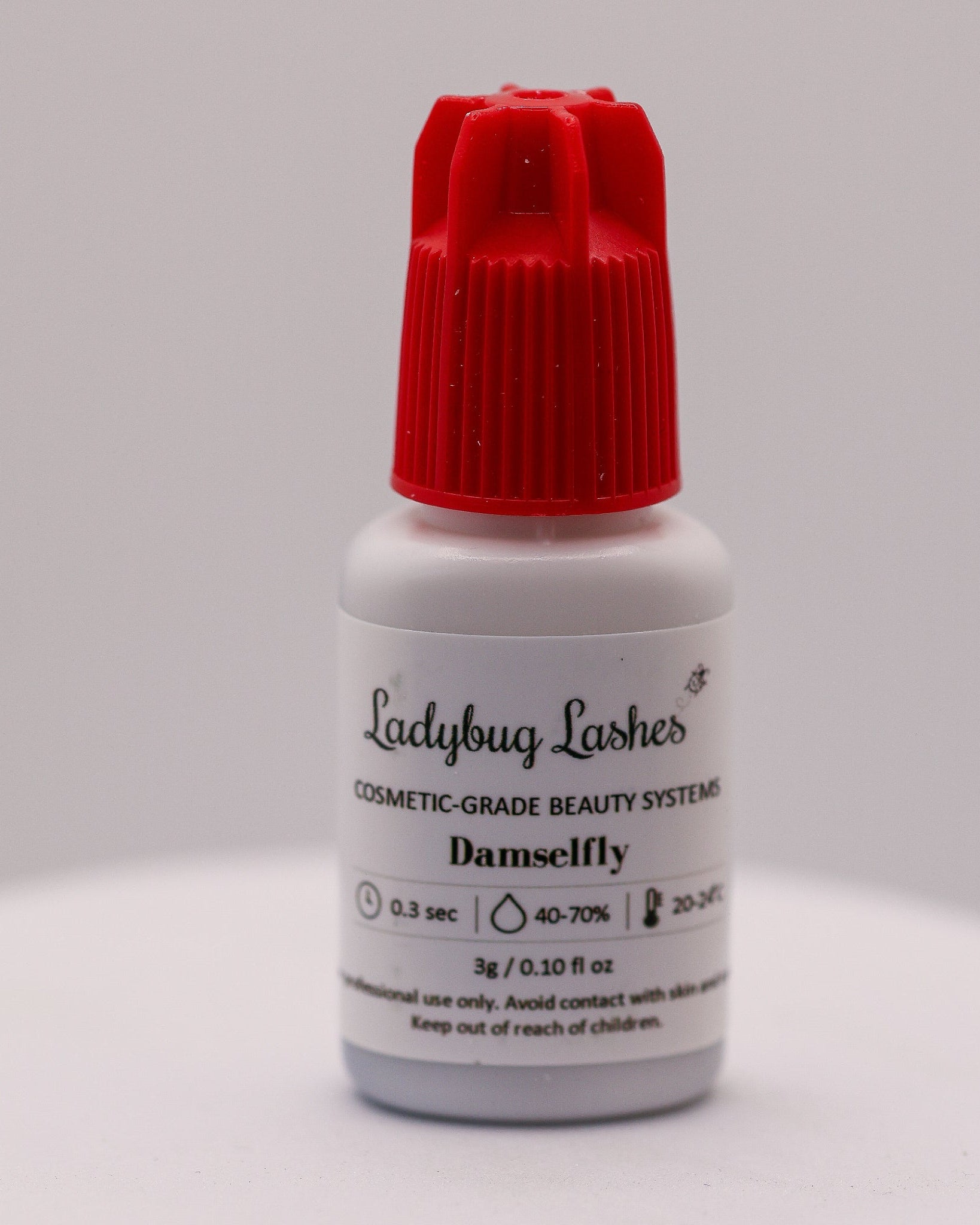
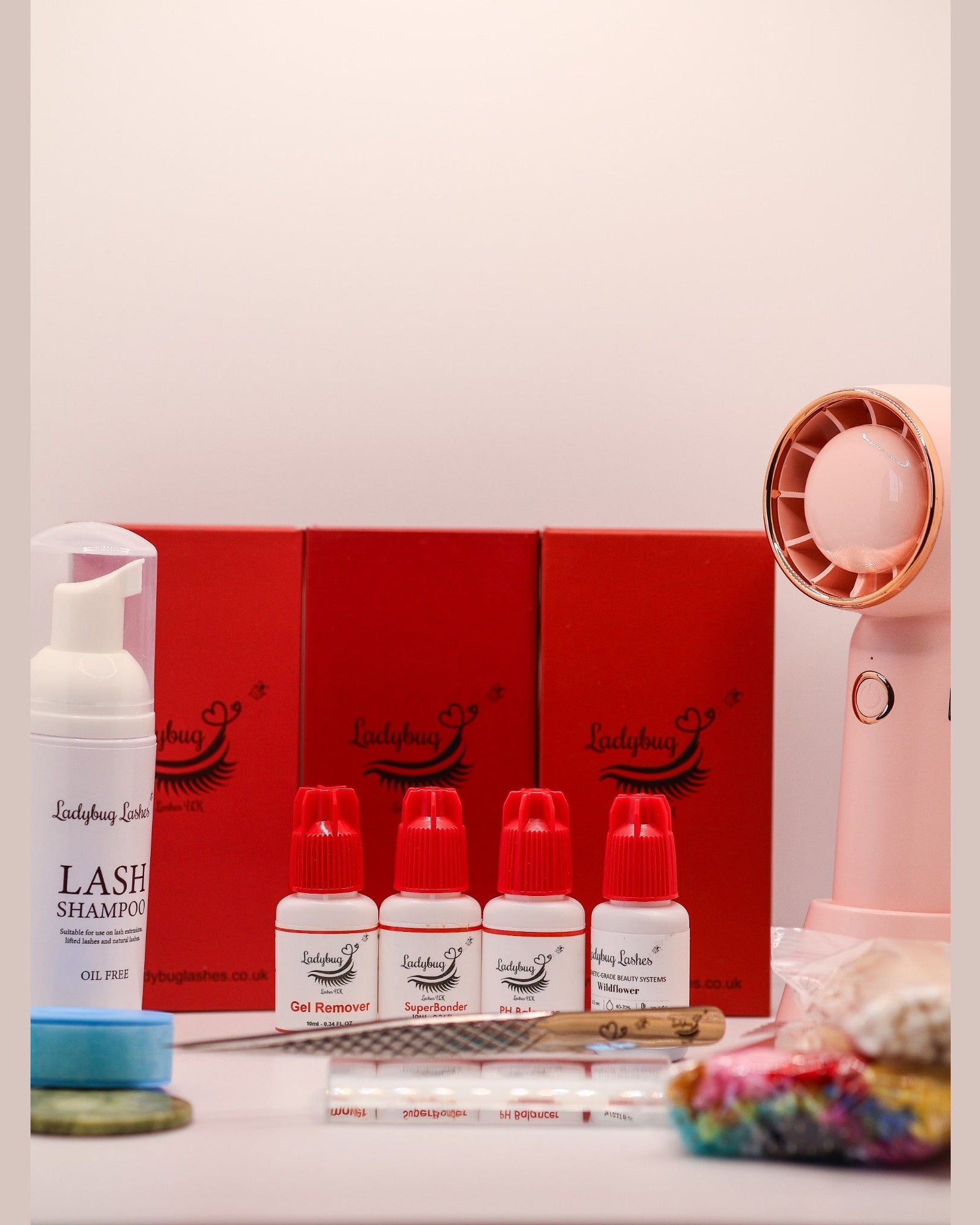
Our Cosmetic Grade Cream Lash Remover is UK-manufactured and designed for controlled professional application.
Gel Lash Remover
A gel remover has a gel consistency while still allowing precise professional application.
Our Cosmetic Grade Gel Lash Remover is also UK-manufactured and intended for professional use.
The right choice comes down to your training, preferred technique and the type of removal you are carrying out.
How Should Lash Remover Be Used Safely?
Always follow the instructions supplied with the specific remover you are using and only use professional lash-removal products within the scope of your training.
During removal:
- the client's eyes should remain fully closed
- the remover should be applied in a controlled way to the adhesive bonds
- avoid unnecessary contact with the skin and eye area
- do not force or pull extensions that are still bonded
- remove residue thoroughly before proceeding with any further service
If product accidentally enters the eye, stop the service, rinse appropriately and follow the product safety instructions. Persistent discomfort should be medically assessed.
Do Not Rush a Lash Removal
Professional remover needs time to do its job.
If the extensions are not releasing easily, do not compensate by pulling harder.
Follow the remover manufacturer's directions and allow the product to break down the adhesive sufficiently before gently removing loosened extensions.
The natural lash should not be dragged or forced during the process.
Should You Clean the Natural Lashes After Removal?
Yes.
Once the extensions and remover residue have been completely removed, cleanse the lashes thoroughly with an appropriate lash cleanser and ensure the lash line is clean before assessing the natural lashes.
This gives you a much clearer view of the condition of the lash line if the client is having another set.
Can You Apply a New Set Straight After Removal?
Potentially, yes - but only if the natural lashes and surrounding eye area are suitable for treatment and all remover residue has been thoroughly removed.
Do not automatically replace the set simply because that was the original plan.
Reassess the natural lashes first.
Our guide to assessing natural lashes before extensions explains what to look for.
What If the Previous Set Has Damaged the Natural Lashes?
Removing the extensions does not mean you have to immediately replace them.
If the natural lashes are significantly weakened, broken or unable to comfortably support the intended new set, adapt the service or postpone reapplication.
Correct isolation, suitable weight and secure attachment all matter when protecting natural lash health.
Read more in Do Lash Extensions Damage Your Natural Lashes?
What If a Client Is Having a Reaction?
If a client is experiencing significant swelling, pain, breathing difficulty or another concerning reaction, this is not simply a routine cosmetic-removal situation.
Advise them to seek appropriate medical care. Do not attempt to diagnose the cause yourself.
For more information, see our guides to sensitivity vs allergy and blepharitis, irritation and lash-product reactions.
The Bottom Line
Not every old lash set needs to be removed - but not every set should be infilled either.
Assess the condition of the extensions and the natural lashes, and choose the option that gives you the safest, cleanest foundation for the next step.
Use a professional lash remover, follow the manufacturer's instructions and never compensate for an incomplete removal by pulling on the natural lashes.
A good removal should protect what matters most: the natural lashes underneath.
'%3e%3cg id='Final-Copy-2_2_' transform='translate(1275.000000, 200.000000)'%3e%3cpath class='st0' d='M7.4,12.8h6.8l3.1-11.6H7.4C4.2,1.2,1.6,3.8,1.6,7S4.2,12.8,7.4,12.8z'/%3e%3c/g%3e%3c/g%3e%3c/g%3e%3cg id='final---dec.11-2020'%3e%3cg id='_x30_208-our-toggle' transform='translate(-1275.000000, -200.000000)'%3e%3cg id='Final-Copy-2' transform='translate(1275.000000, 200.000000)'%3e%3cpath class='st1' d='M22.6,0H7.4c-3.9,0-7,3.1-7,7s3.1,7,7,7h15.2c3.9,0,7-3.1,7-7S26.4,0,22.6,0z M1.6,7c0-3.2,2.6-5.8,5.8-5.8 h9.9l-3.1,11.6H7.4C4.2,12.8,1.6,10.2,1.6,7z'/%3e%3cpath id='x' class='st2' d='M24.6,4c0.2,0.2,0.2,0.6,0,0.8l0,0L22.5,7l2.2,2.2c0.2,0.2,0.2,0.6,0,0.8c-0.2,0.2-0.6,0.2-0.8,0 l0,0l-2.2-2.2L19.5,10c-0.2,0.2-0.6,0.2-0.8,0c-0.2-0.2-0.2-0.6,0-0.8l0,0L20.8,7l-2.2-2.2c-0.2-0.2-0.2-0.6,0-0.8 c0.2-0.2,0.6-0.2,0.8,0l0,0l2.2,2.2L23.8,4C24,3.8,24.4,3.8,24.6,4z'/%3e%3cpath id='y' class='st3' d='M12.7,4.1c0.2,0.2,0.3,0.6,0.1,0.8l0,0L8.6,9.8C8.5,9.9,8.4,10,8.3,10c-0.2,0.1-0.5,0.1-0.7-0.1l0,0 L5.4,7.7c-0.2-0.2-0.2-0.6,0-0.8c0.2-0.2,0.6-0.2,0.8,0l0,0L8,8.6l3.8-4.5C12,3.9,12.4,3.9,12.7,4.1z'/%3e%3c/g%3e%3c/g%3e%3c/g%3e%3c/g%3e%3c/svg%3e) Your Privacy Choices
Your Privacy Choices