Good salon hygiene is more than wiping your tweezers between clients.
For lash artists, it helps to understand the difference between cleaning, disinfection and single-use items so that every tool is handled appropriately.
Cleaning and Disinfection Are Not the Same Thing
Cleaning removes visible dirt, adhesive residue, oils and other debris from a surface or tool.
Disinfection uses an appropriate product or process to reduce microorganisms on an already cleaned item or surface.
If a tool is visibly dirty, simply spraying disinfectant over it is not good practice. Remove contamination first, then disinfect using a suitable product according to its instructions.
Why Contact Time Matters
Disinfectants do not all work instantly.
Follow the manufacturer's instructions for:
- dilution or ready-to-use concentration
- required contact time
- surface compatibility
- safe handling
- storage and replacement
Using a disinfectant at the wrong dilution or wiping it away too quickly may reduce how effectively it works.
Which Lash Tools Can Be Reused?
Reusable tools such as professional lash tweezers should be cleaned and disinfected between clients using a process and product suitable for the material.
Do not put a visibly contaminated tool straight back into disinfectant without cleaning it first.
Always follow your disinfectant manufacturer's instructions, your training and any insurer or local requirements that apply to your business.
Which Lash Items Should Be Single Use?
Items designed for single use should be discarded after one client and never returned to your clean stock.
Examples can include:
- microfibre applicators
- mascara wands
- cotton buds or disposable applicators
- under-eye pads
- tape that has contacted the client
- disposable cleansing or drying materials
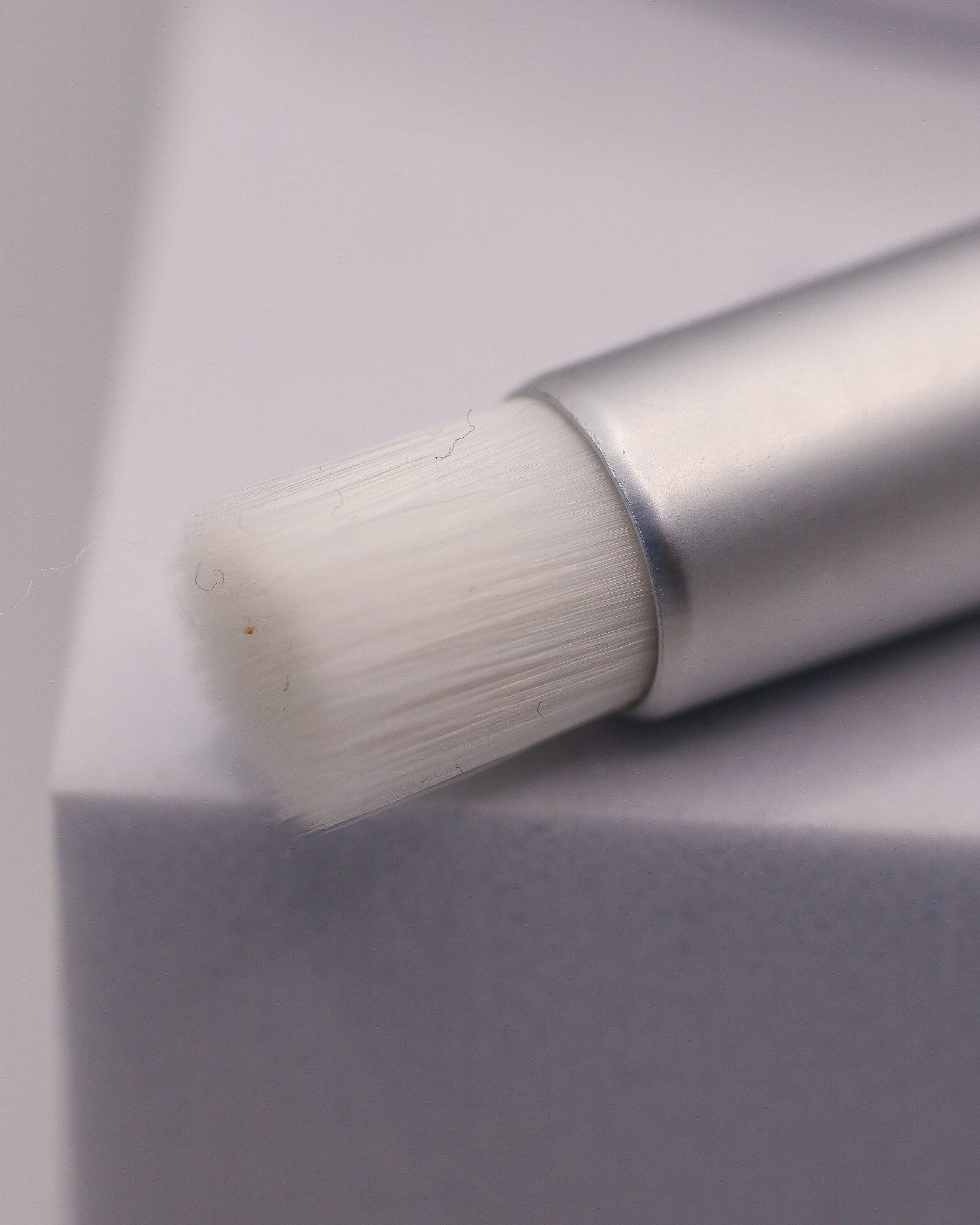
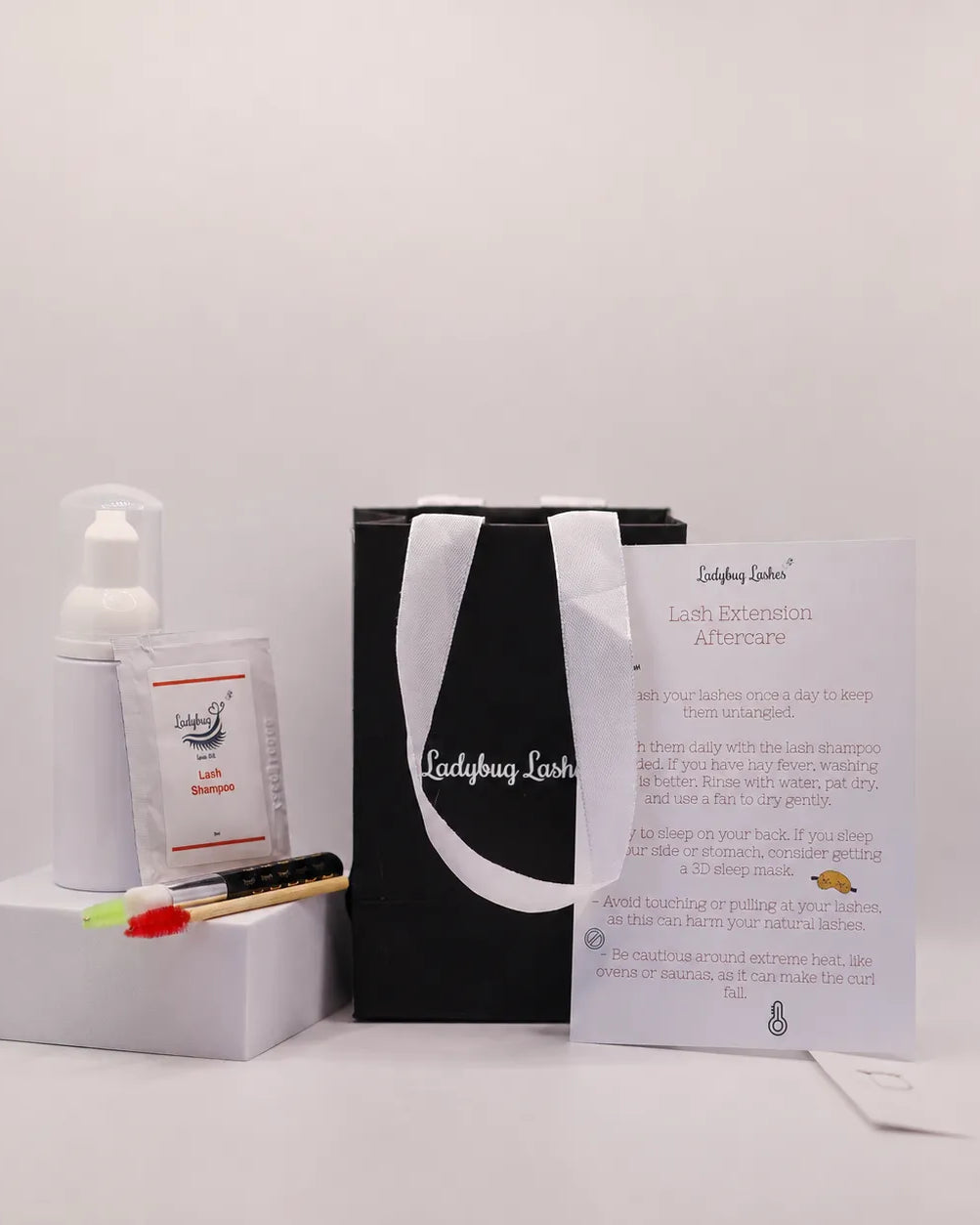
Our Bamboo Microfibre Brushes and Bamboo Applicator Wands are examples of disposable treatment tools intended for controlled professional application.
Keep Clean and Used Tools Separate
A clean tool can easily become contaminated if it is placed beside used equipment.
Have a clear system for:
- clean, ready-to-use tools
- used tools awaiting cleaning
- single-use waste
Avoid placing disinfected tweezers back onto a surface that has not itself been cleaned.
Clean High-Touch Surfaces Between Clients
Think beyond the treatment bed.
Frequently touched areas can include:
- trolley surfaces
- lamp controls
- bed or pillow surfaces
- tweezer stands
- product bottle exteriors where necessary
- door handles and other high-touch points
Your cleaning routine should reflect what is actually touched during the service.
Hand Hygiene Still Matters
Clean your hands before and after client contact and whenever contamination may have occurred.
If hands are visibly dirty, wash thoroughly with soap and water. Alcohol hand rub can be useful on visibly clean hands, but it does not replace washing when hands are soiled.
Dry hands thoroughly after washing.
What About Gloves?
Gloves are not a substitute for hand hygiene.
If gloves are required for a particular task, use an appropriate disposable pair, change them between clients and remove them safely without contaminating clean surfaces.
Whether gloves are needed will depend on the task, product and risk assessment.
Be Careful With Cleaning Chemicals
Disinfectants and cleaning products are chemicals in their own right.
Use them according to the label and safety information, keep them correctly stored and do not mix products unless the manufacturer specifically instructs you to do so.
The Health and Safety Executive provides guidance for beauty businesses and on COSHH for beauticians.
What If There Is Blood or Body-Fluid Contamination?
Lash extensions are a non-invasive treatment, but accidental contamination can still happen.
If a reusable item or surface becomes contaminated with blood or another body fluid, stop and follow an appropriate decontamination procedure for that situation rather than relying on your normal quick between-client wipe.
Follow the product instructions, your training, risk assessment and any local or insurer requirements.
Do Lash Tools Need to Be Sterilised?
Cleaning, disinfection and sterilisation are different levels of decontamination.
Do not use the words interchangeably.
The appropriate level depends on the item, how it is used and the contamination risk. For routine non-invasive lash tools, follow your training, insurer requirements and the instructions for the equipment and disinfectant you use rather than assuming every reusable item requires the same process.
Do Not Forget Ventilation
Good hygiene and good air quality are separate parts of running a professional lash space.
Cleaning products and lash adhesives can both contribute to vapour exposure, so keep the treatment area appropriately ventilated.
See our lash glue fumes and ventilation guide for more information.
Create a Routine You Can Repeat
The best hygiene system is one you follow consistently.
Build cleaning and disinfection into the appointment turnaround rather than treating it as an occasional deep-clean task.
Keep single-use items separate, clean reusable tools properly and make sure everyone working in the salon follows the same process.
The Bottom Line
Clean first. Disinfect correctly. Dispose of single-use items after one client.
Use products according to their instructions, keep clean and used equipment separate and make hygiene part of every treatment - not something saved for the end of the day.
Professional standards are built through the small routines that happen between every client.
'%3e%3cg id='Final-Copy-2_2_' transform='translate(1275.000000, 200.000000)'%3e%3cpath class='st0' d='M7.4,12.8h6.8l3.1-11.6H7.4C4.2,1.2,1.6,3.8,1.6,7S4.2,12.8,7.4,12.8z'/%3e%3c/g%3e%3c/g%3e%3c/g%3e%3cg id='final---dec.11-2020'%3e%3cg id='_x30_208-our-toggle' transform='translate(-1275.000000, -200.000000)'%3e%3cg id='Final-Copy-2' transform='translate(1275.000000, 200.000000)'%3e%3cpath class='st1' d='M22.6,0H7.4c-3.9,0-7,3.1-7,7s3.1,7,7,7h15.2c3.9,0,7-3.1,7-7S26.4,0,22.6,0z M1.6,7c0-3.2,2.6-5.8,5.8-5.8 h9.9l-3.1,11.6H7.4C4.2,12.8,1.6,10.2,1.6,7z'/%3e%3cpath id='x' class='st2' d='M24.6,4c0.2,0.2,0.2,0.6,0,0.8l0,0L22.5,7l2.2,2.2c0.2,0.2,0.2,0.6,0,0.8c-0.2,0.2-0.6,0.2-0.8,0 l0,0l-2.2-2.2L19.5,10c-0.2,0.2-0.6,0.2-0.8,0c-0.2-0.2-0.2-0.6,0-0.8l0,0L20.8,7l-2.2-2.2c-0.2-0.2-0.2-0.6,0-0.8 c0.2-0.2,0.6-0.2,0.8,0l0,0l2.2,2.2L23.8,4C24,3.8,24.4,3.8,24.6,4z'/%3e%3cpath id='y' class='st3' d='M12.7,4.1c0.2,0.2,0.3,0.6,0.1,0.8l0,0L8.6,9.8C8.5,9.9,8.4,10,8.3,10c-0.2,0.1-0.5,0.1-0.7-0.1l0,0 L5.4,7.7c-0.2-0.2-0.2-0.6,0-0.8c0.2-0.2,0.6-0.2,0.8,0l0,0L8,8.6l3.8-4.5C12,3.9,12.4,3.9,12.7,4.1z'/%3e%3c/g%3e%3c/g%3e%3c/g%3e%3c/g%3e%3c/svg%3e) Your Privacy Choices
Your Privacy Choices