
A brow lamination check is an important part of the treatment process.
Processing times give you a guide, but the condition and response of the brow hair should also be assessed throughout the treatment in accordance with your chosen system.
The aim is to soften the hair enough for it to be repositioned without unnecessarily over-processing it.
Why Do You Check Brow Hairs During Step 1?
Step 1 softens the hair structure so the brow hairs can be redirected into their new position.
Different clients' brows can process at different rates.
Processing can be influenced by factors such as:
- Hair thickness
- Hair condition
- Porosity
- Previous chemical treatments
- Resistant or coarse areas within the brow
This is why you shouldn't automatically assume that every client with the same brow type will process identically.
When Should You Check a Brow Lamination?
Follow the processing guidance supplied with the professional system you are using.
Begin assessing the hairs at the earliest recommended checking point and continue monitoring where required.
Do not exceed the manufacturer's maximum processing time simply because the hairs still appear resistant.
If the expected result is not being achieved within the recommended parameters, reassess rather than continuing indefinitely.
How to Perform a Brow Lamination Check
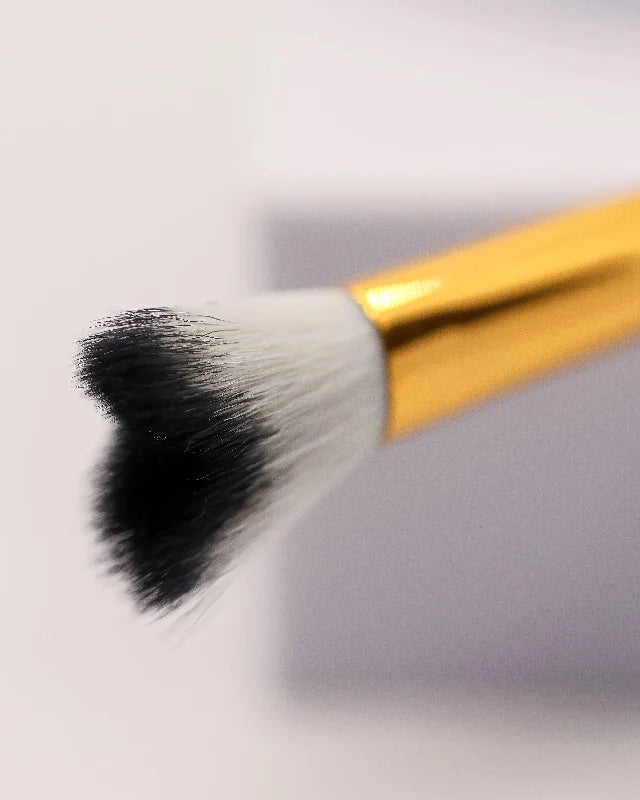
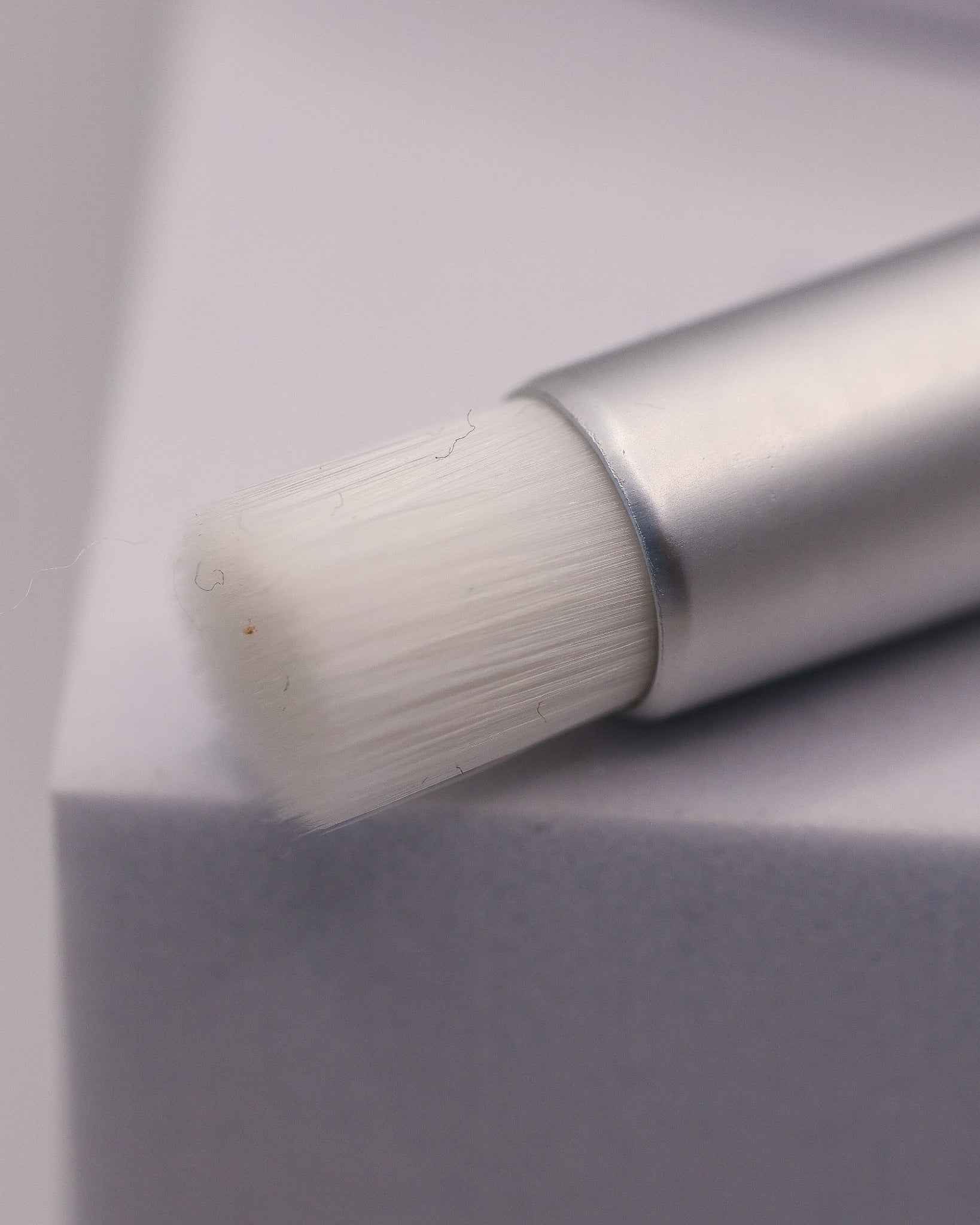
Using a clean spoolie or suitable brow tool, gently move a small section of hair in the direction you want it to sit.
You are checking how easily the hair can be redirected.
The hairs should begin to move into their new position with minimal resistance.
Avoid repeatedly brushing or pulling at the brows during Step 1. The hair is being chemically softened and should be handled carefully.
What Does a Ready Brow Hair Feel Like?
When the hair has processed sufficiently, it should generally feel:
Soft
The hair no longer feels as rigid as it did before processing.
Flexible
It can be gently redirected without fighting against you.
Manageable
The hair begins to sit in the direction you place it.
The goal is controlled flexibility - not extremely soft or stretchy hair.
What If the Brow Hair Still Springs Back?
If the hairs remain resistant or strongly return towards their original position, they may require additional processing within the manufacturer's recommended timing.
Continue in controlled increments where your system allows and reassess.
Do not simply add several extra minutes and walk away.
What Does Over-Processed Brow Hair Look or Feel Like?
Warning signs can include hair becoming:
- Excessively soft
- Overly stretchy or elastic
- Weak
- Frizzy
- Difficult to control
- Structurally compromised
If you are concerned that the hair is becoming over-processed, stop Step 1 and follow the guidance for your professional system.
Adding more processing time will not create a better lamination.
Different Parts of the Brow Can Process Differently
This is easily missed.
A client may have stronger, coarser hairs in one area and finer hairs elsewhere.
That means you should assess the actual brow in front of you, rather than assuming every hair is processing at exactly the same rate.
Product placement and timing should always follow the guidance for the system you're working with.
What About Previously Laminated Brows?
Previously chemically treated hair needs additional care.
Always ask about:
- Previous brow laminations
- Tinting
- Bleaching or lightening
- Other chemical treatments
- Current condition of the brow hair
Previously processed or compromised hair may behave differently from untreated hair.
If the condition of the hair makes further chemical processing unsuitable, do not proceed simply because enough time has passed since the previous appointment.
Hair condition matters.
What Happens After Step 1?
Once Step 1 has processed sufficiently, remove it thoroughly according to your system instructions before moving to Step 2 neutralising/fixing lotion.
Step 2 is an essential part of the chemical process and should be applied and processed according to the manufacturer's instructions.
If your system includes a conditioning or restorative Step 3, complete this as directed too.
Professional Tips
Remember:
- Processing times are guides within the parameters of your chosen system
- Assess the client's hair before starting
- Don't assume coarse-looking brows automatically need maximum timing
- Handle softened hairs gently
- Don't repeatedly manipulate the brows while checking
- Never exceed manufacturer instructions to force resistant hairs to process
- Record timings and observations on the client's treatment record
Keeping good records is particularly useful for returning clients because you can refer back to how their brows responded at previous appointments.
The Bottom Line
A brow lamination isn't simply apply Step 1 → set a timer → remove it.
Professional processing requires observation and control.
Follow your manufacturer's timings, assess how the hairs are responding and move to the next stage once the correct level of flexibility has been achieved.
You are looking for soft, flexible and manageable brow hairs - not weak, stretchy or over-processed ones.
'%3e%3cg id='Final-Copy-2_2_' transform='translate(1275.000000, 200.000000)'%3e%3cpath class='st0' d='M7.4,12.8h6.8l3.1-11.6H7.4C4.2,1.2,1.6,3.8,1.6,7S4.2,12.8,7.4,12.8z'/%3e%3c/g%3e%3c/g%3e%3c/g%3e%3cg id='final---dec.11-2020'%3e%3cg id='_x30_208-our-toggle' transform='translate(-1275.000000, -200.000000)'%3e%3cg id='Final-Copy-2' transform='translate(1275.000000, 200.000000)'%3e%3cpath class='st1' d='M22.6,0H7.4c-3.9,0-7,3.1-7,7s3.1,7,7,7h15.2c3.9,0,7-3.1,7-7S26.4,0,22.6,0z M1.6,7c0-3.2,2.6-5.8,5.8-5.8 h9.9l-3.1,11.6H7.4C4.2,12.8,1.6,10.2,1.6,7z'/%3e%3cpath id='x' class='st2' d='M24.6,4c0.2,0.2,0.2,0.6,0,0.8l0,0L22.5,7l2.2,2.2c0.2,0.2,0.2,0.6,0,0.8c-0.2,0.2-0.6,0.2-0.8,0 l0,0l-2.2-2.2L19.5,10c-0.2,0.2-0.6,0.2-0.8,0c-0.2-0.2-0.2-0.6,0-0.8l0,0L20.8,7l-2.2-2.2c-0.2-0.2-0.2-0.6,0-0.8 c0.2-0.2,0.6-0.2,0.8,0l0,0l2.2,2.2L23.8,4C24,3.8,24.4,3.8,24.6,4z'/%3e%3cpath id='y' class='st3' d='M12.7,4.1c0.2,0.2,0.3,0.6,0.1,0.8l0,0L8.6,9.8C8.5,9.9,8.4,10,8.3,10c-0.2,0.1-0.5,0.1-0.7-0.1l0,0 L5.4,7.7c-0.2-0.2-0.2-0.6,0-0.8c0.2-0.2,0.6-0.2,0.8,0l0,0L8,8.6l3.8-4.5C12,3.9,12.4,3.9,12.7,4.1z'/%3e%3c/g%3e%3c/g%3e%3c/g%3e%3c/g%3e%3c/svg%3e) Your Privacy Choices